Results
Built in Ohio. Tested in the Field.
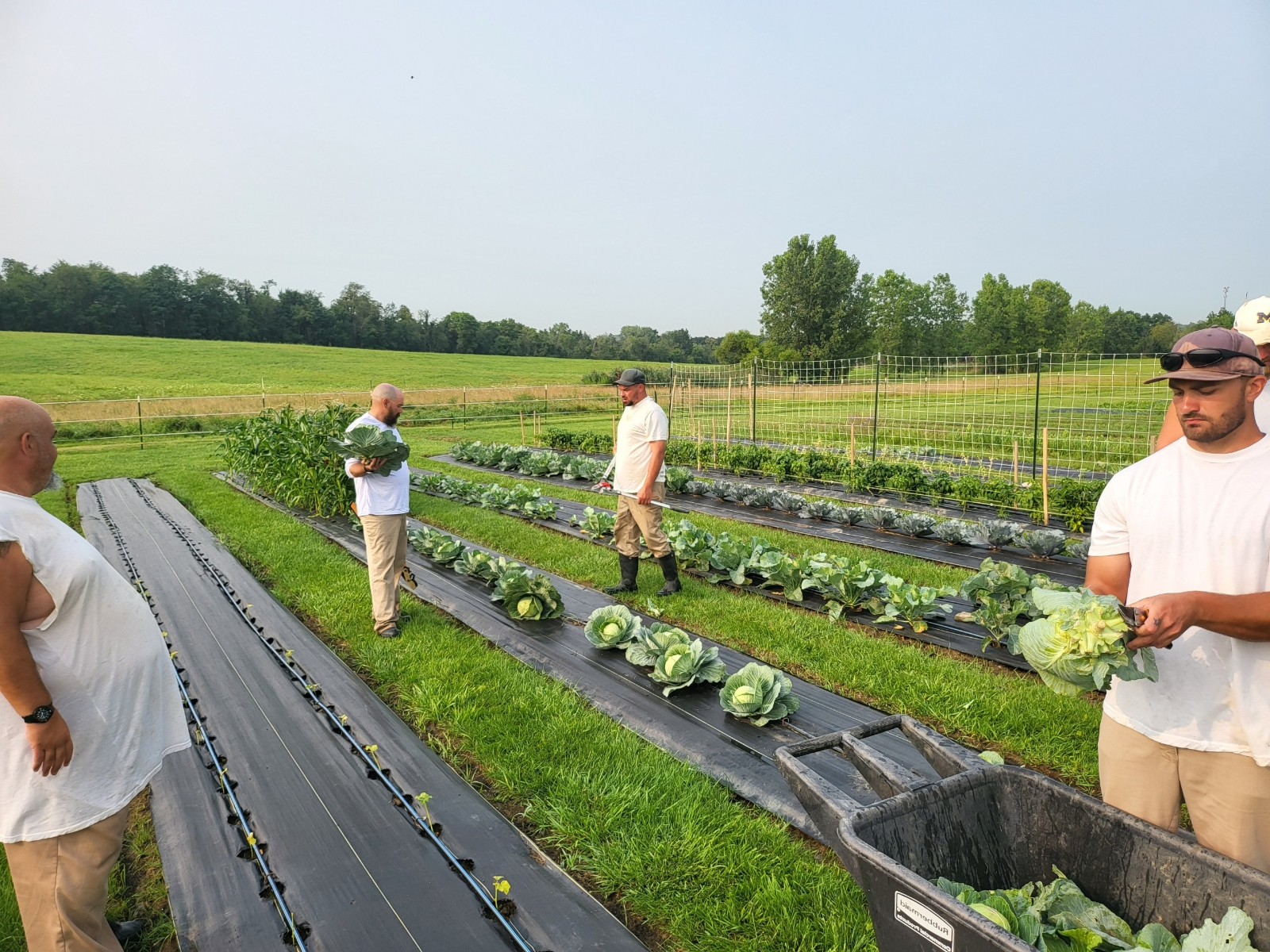
AFI grew from research into hands-on implementation. The Ohio work tested more than whether small farms could grow food. It tested whether farmer development, coordinated production, aggregation, buyers, and community partners could function together as a local market system.
Field Results
What the Work Has Produced So Far.
Field-tested through AFI's work in North Central and Central Ohio.
What Those Numbers Mean
Evidence Across the System.
Growers Trained
Farmer development was treated as core infrastructure, not as an add-on after farms were built.
Microfarms Launched
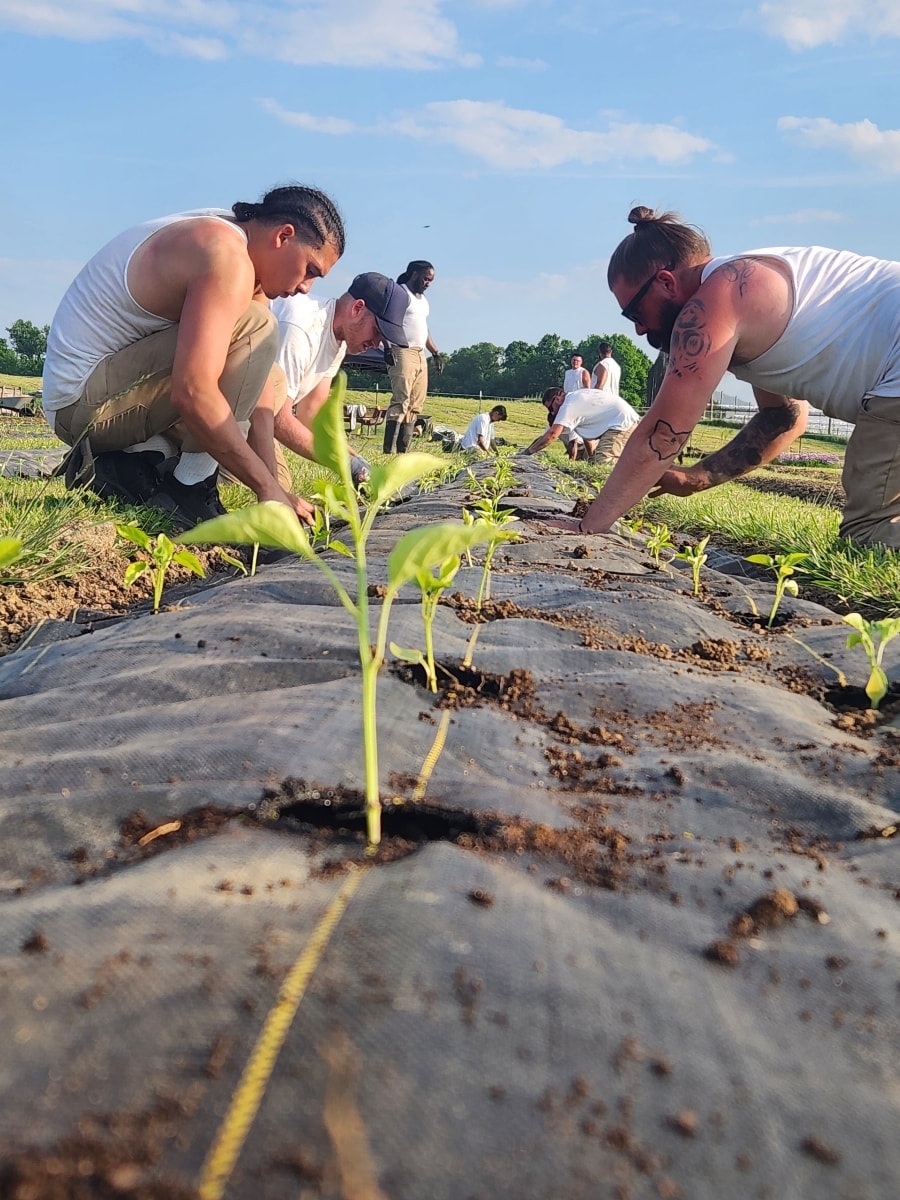
The work moved beyond planning into operating farm sites and real production.
Specialty-Crop Sales
The model connected production to actual markets rather than measuring success only by acres planted or pounds harvested.
From Implementation
What the Ohio Work Demonstrated.
The strongest lesson was that the farm itself is only one part of the problem. Productive growers still need dependable markets. Interested buyers still need volume, consistency, timing, quality, food-safety practices, and workable logistics. Community organizations can provide land, funding, training, or food access, but those contributions have to reinforce one another rather than operate as separate projects.
AFI's Ohio work therefore combined grower recruitment and training with production planning, farm development, aggregation, market development, and community partnership. That experience is the basis for the current AFI model.
What We Learned
Five Lessons We Carry Forward.
Farmer Viability Comes First
A stronger local food system depends on farmers being able to build economically workable businesses.
Markets Cannot Be an Afterthought
Buyer requirements need to shape production planning from the beginning.
Coordination Creates Useful Scale
Independent small farms can reach larger opportunities by planning and combining supply.
Institutions Matter
Extension, schools, food organizations, public agencies, funders, land partners, and buyers can remove barriers when their roles are coordinated.
The Model Must Adapt to Place
AFI carries a framework from one community to another, not a fixed blueprint.